


Riverside County
Riverside Bail Bonds Office
3605 10th Street, Riverside, CA 92501
24/7 phone support
Try a nearby city, county, ZIP code, or county jail.
Call Bail Hotline: (888) 958-1228A clear first response to an arrest
An arrest can leave a family with incomplete information and no clear idea what to do first. You do not need to understand the entire bail process before asking for help. Begin with whatever you know and take the situation one step at a time.
Call Bail Hotline Bail Bonds at (888) 958-1228. We can help you navigate the news of someone’s arrest and begin searching with as little as the person’s first name, where the arrest may have happened, or when it happened. More details can make a search faster, but you do not need to know everything before calling. Our inmate-search help is free, and you do not have to purchase a bail bond or become a client.
If you prefer not to call, learn how to find someone after an arrest.
The next step is to identify the jail or detention facility and confirm any available booking information. A legal name, date of birth, arresting agency, city, county, booking number, or approximate arrest time can help narrow the search. Booking records may not appear immediately, and a person can be transferred between facilities, so an early search may need to be checked again.
Once the person is located, review the available bail amount, charges shown, warrant information, court information, and any holds that may affect release. Bail Hotline can explain what the available information means and what still needs to be confirmed. The court, jail, and responsible government agency control the official case, warrant, custody, and bail status.
You are not required to post bail simply because you asked for information. If you decide to discuss a bond, a Bail Hotline agent will explain the known premium, down payment, payment schedule, contract terms, collateral requirements if any, and co-signer responsibilities before anything is signed. Approval, underwriting, surety authorization, and state-specific requirements determine the final terms.
Most supported applications and paperwork can be handled by phone and electronically. Once the required information, approval, signed documents, and payment arrangements are complete, Bail Hotline coordinates preparation and posting of the bond. The jail or court controls official bond acceptance and release timing. After release, Bail Hotline remains available throughout the life of the bond for questions about payment arrangements, check-ins, known court dates, and bond-related responsibilities.
Start with what you know. Call Bail Hotline 24/7 at (888) 958-1228 in English or Spanish, and a real person will help you take the next step.
We chose the name Bail Hotline for a reason. Anyone can call us at any hour for clear help with bail bonds, help after an arrest, questions about a warrant or missed court date, or a free inmate search, even if they are not a client or ready to post bail.
At Bail Hotline, service comes first. It is not a department. It is who we are.
If you need help and do not know where to begin, call us. Our team will explain what is known in plain language and help you understand what comes next. You do not have to become a client. A call does not have to result in a bail bond to matter to us.
We know how frightening and confusing an arrest or bail situation can be, especially for families facing it for the first time. Most people have never posted a bail bond, do not know what a co-signer is agreeing to, and are trying to make important decisions in the middle of one of the hardest nights of their lives.
Our job is to bring clear information, a calm voice, and human support to that moment. We can help you find someone in custody, understand available bail information, or learn about bond-related next steps after a warrant or missed court date.
When someone becomes our client, our commitment does not end when the bond is posted or the person is released. We remain available throughout the life of the bond, helping clients understand their bail responsibilities, payment arrangements, check-ins, and known court dates.
Bail Hotline also provides automatic court-date reminders with our mobile app. These reminders are an added layer of support, not official court notices. Defendants remain responsible for confirming and attending every required appearance.
A missed court date, warrant, or change in a case can be overwhelming, but we can help. We can explain the bond-related next steps and remain available for questions about the bond. Bail agents do not control the court or jail, and they do not replace a criminal-defense attorney. Our clients should never be left wondering who to call about their bond.
Our mission is simple: answer the call, make the bail process easier to understand, and stand by the people and families who place their trust in us.
When someone is arrested, the location of the jail and court matters. Bail Hotline Bail Bonds operates 41 full-service offices, including 38 in California and 3 in Idaho. Every office can work directly with families, handle bail bonds, complete electronic paperwork, coordinate local posting, and provide support throughout the life of the bond.
Based on Bail Hotline's experience with the cities families search for and call about most often, we feature the Riverside, Los Angeles, 77th Street Los Angeles, San Diego, Santa Ana, Oakland, San Bernardino, and Rancho Cucamonga offices. We highlight them here to make frequently requested locations easier to find. They are not regional hubs, and being featured does not mean another Bail Hotline office provides less complete service or is less important to its community.
These eight offices are located in Riverside County, Los Angeles County, San Diego County, Orange County, Alameda County, and San Bernardino County. Like every Bail Hotline location, each office develops practical knowledge of its local jails, courts, booking practices, bail bond paperwork, bond acceptance procedures, posting coordination, release processes, and local timelines.
All 41 offices also contribute to one connected Bail Hotline network. Families can contact whichever office is most convenient for them, and the office they reach can often complete the bond itself. If the caller, co-signer, or person in custody is in another city or county, local teams can coordinate with one another or connect the family with the Bail Hotline office or posting agent better positioned to help. This adds companywide reach without taking away the knowledge, capability, or direct service of any local office.
Use the cards below to view each office's full address and ZIP code, call its local phone number, open Google Maps directions, or learn more about bail bond services in that city. View all 41 Bail Hotline locations, or call Bail Hotline's 24/7 phone line at (888) 958-1228 if you are unsure which office serves the jail or court you need.
Riverside County
3605 10th Street, Riverside, CA 92501
24/7 phone support
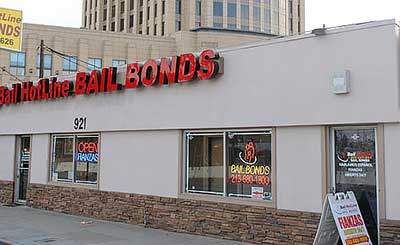
Los Angeles County
921 N. Vignes Street, Los Angeles, CA 90012
24/7 phone support
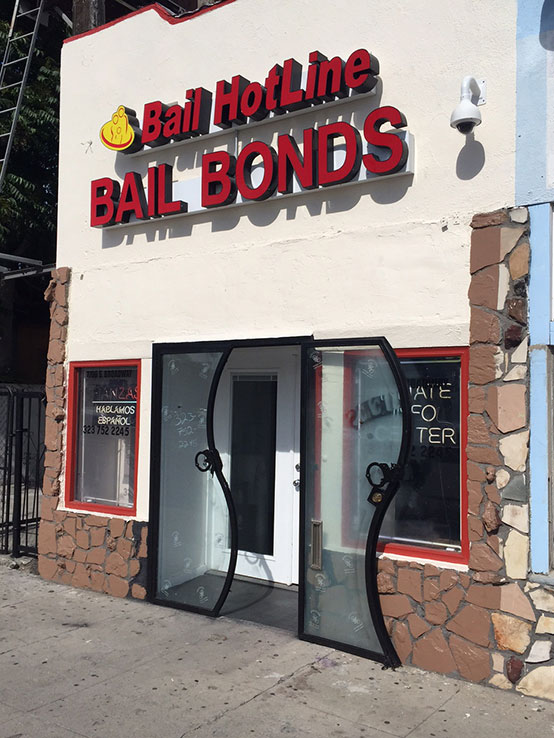
Los Angeles County
7706 S. Broadway, Los Angeles, CA 90003
24/7 phone support
San Diego County
119 W. C Street, San Diego, CA 92101
24/7 phone support
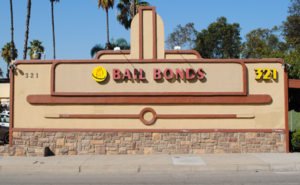
Orange County
321 E. 17th Street, Santa Ana, CA 92706
24/7 phone support
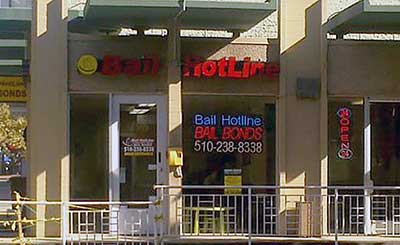
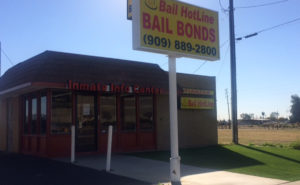
San Bernardino County
567 E. Rialto Avenue, San Bernardino, CA 92408
24/7 phone support
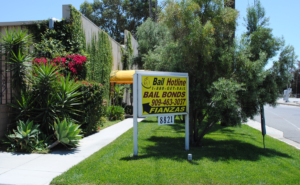
San Bernardino County
8821 Etiwanda Avenue, Rancho Cucamonga, CA 91739
24/7 phone support
Families choosing a bail bond company in California or Idaho need more than promises of fast service. They want to know who owns the company, whether payment options can fit a real household budget, how much experience its bail agents have, and whether local teams understand the jails, courts, and communities they serve. Bail Hotline answers those questions with facts.
Bail Hotline Bail Bonds was founded in San Bernardino in 2004 by brothers Daniel McGuire, Cesar McGuire, Gilberto McGuire, and Marco McGuire, and the same family still owns and leads the company. From its earliest years, the McGuire family pushed Bail Hotline to go beyond a one-size-fits-all approach to payment.
Approved payment options can include a low starting payment, manageable installments, and contributions from multiple relatives or friends when one household cannot cover the full bail bond premium at once. Making bail more affordable and flexible is not a side program. It is part of why the McGuire brothers built Bail Hotline.
Company records support a conservative internal estimate of more than 500,000 individual defendant cases since 2004. We count individual defendant cases rather than treating every separate bond or warrant connected to one case as another case. That experience helps our teams handle different bond amounts, warrants, jail paperwork, posting coordination, payment arrangements, and release procedures without losing sight of the person at the center.
Every case is someone's child, parent, partner, sibling, or friend. Any bail company can say clients value its service. Bail Hotline can point to more than 10,000 published client reviews, including public reviews from people who chose Bail Hotline more than once.
Contact Bail Hotline and speak with a team that treats clients like family.
Technology has been part of Bail Hotline since the company began. Many of our core systems were developed in-house by people who understood bail from inside the business. Those systems connect offices, support electronic bail bond paperwork, coordinate local posting coverage, process payments, and provide remote check-ins, available case information, and automatic court-date reminders through the Bail Hotline mobile app.
The purpose is not technology for its own sake. It is to reduce delays, keep important information moving, and give local agents the tools to provide consistent support before and after someone is released.
Low turnover has allowed many Bail Hotline agents and managers to build long careers with the company and spend years serving the same cities. Office managers must have at least eight years of bail-industry experience, and many have more than a decade. Time in one community builds practical knowledge that cannot come from a generic script, including knowledge of local jails, courts, booking practices, bond acceptance, release procedures, and realistic timelines.
The McGuire family has watched many of these professionals grow with Bail Hotline, help shape the company, and become part of the communities they serve. Families can find their local Bail Hotline office and connect with a team that understands the area.
These homepage questions explain Bail Hotline’s free searches and guidance, accessible bond approval, flexible signers and payments, affordability programs, complex-bond experience, and continued support. Every arrest and bond is different, so official records, applicable law, court and jail procedures, underwriting, surety authorization, signed agreements, and the facts of the transaction control the final answer.
Start with whatever you know. Bail Hotline can begin helping with as little as the person’s first name, where the arrest may have happened, or approximately when it occurred. A full legal name, date of birth, approximate age, arresting agency, city, county, booking number, case number, known charge, and approximate arrest time can make the search faster and help distinguish the correct person from someone with a similar name.
Booking and publication are not always immediate. A person may be transferred between facilities, taken to a jail in another jurisdiction, or excluded from a public roster because of age, sealing, medical, safety, federal, immigration, or other restrictions. If the first search does not locate a record, the information may need to be checked again.
Bail Hotline will help search available custody information at no charge. Call (888) 958-1228 with whatever details you have. You do not need to post bail, sign a contract, or become a client.
Bail Hotline’s inmate-information and inmate-search help, checks of available warrant and court information, bail-amount searches, general bail information, and bond-related guidance are free for everyone.
You do not have to be a client, post bail, sign a bail-bond contract, or pay Bail Hotline a fee for us to help search for and explain the information that is available. You can call when you are trying to locate someone, understand whether bail has been set, identify a possible warrant or missed court date, learn what a co-signer may be asked to sign, or simply figure out where to begin.
Public records can be delayed, restricted, sealed, incomplete, or unavailable. The responsible court, jail, sheriff, law-enforcement agency, or other government office controls the official record. Bail Hotline can help search for and explain available information, but bail agents do not replace a criminal-defense attorney.
Yes. Bail Hotline can help check available public warrant, court, custody, and bail information even when the person has never used Bail Hotline and is not ready to post a bond. Warrant checks, court-information help, and the related bail guidance are free.
We can help identify the responsible court or agency, explain the bond-related meaning of the information that is available, and discuss what the next practical step may be. A free information call does not require a purchase or promise to use Bail Hotline.
A public search cannot guarantee that no warrant exists. Courts and law-enforcement agencies control warrants and official records. Bail Hotline cannot remove a warrant, change a court date, decide a criminal case, or provide criminal-defense legal advice. Anyone facing a possible warrant or missed appearance should also contact the responsible court and a criminal-defense attorney.
Bail Hotline was founded in San Bernardino in 2004 by brothers Daniel McGuire, Cesar McGuire, Gilberto McGuire, and Marco McGuire. The same family still owns and leads the company.
The name Bail Hotline reflects a simple promise: families should have a real telephone line they can call during an arrest, even when they do not know what to ask or whether they will need a bond. Telephone assistance is available 24 hours a day, every day, in English and Spanish, and a real person answers.
Family ownership means the people whose name and reputation built the first office are still responsible for how callers are treated. In practice, that means explaining what is known, helping people who may never become clients, working with real household budgets, and remaining available after release. Physical lobby staffing can vary by location and hour, so call before traveling to an office.
Bail Hotline has been family owned and led since 2004. The company can point to 41 live offices, including 38 in California and 3 in Idaho, long-tenured local teams, a conservative internal estimate of more than 500,000 individual defendant cases, more than 10,000 published client reviews, and continued support throughout the life of the bond.
Free information for nonclients, accessible internal bond approval, multiple approved signers, flexible payment participation, transparent contract explanations, in-house technology, connected local offices, complex-bond experience, and a correction-first response when problems arise are part of Bail Hotline’s operating approach.
The same family that built Bail Hotline still owns and leads it. Posting the bond begins the client relationship. It does not end the responsibility to answer the client’s calls.
The homepage features Riverside, Los Angeles, 77th Street Los Angeles, San Diego, Santa Ana, Oakland, San Bernardino, and Rancho Cucamonga because Bail Hotline sees especially strong search and call demand for bail-bond help in those cities. They are not regional hubs, and being featured does not mean they provide better service than Bail Hotline’s other offices.
All 41 Bail Hotline offices are full-service operations. A contacted office may complete the bond itself or coordinate with another office or posting agent when the defendant, co-signers, family, jail, and court are in different cities or counties. Families should not have to restart with an unrelated company.
Find a Bail Hotline office and contact the location most convenient for you.
Getting a bond internally approved through Bail Hotline is usually straightforward. Our approval process is designed to find a workable path to yes, not look for reasons to turn a family away. You do not need a high income, a traditional full-time paycheck, or one perfect co-signer to be considered.
In many cases, the most important starting point is proof of stable, verifiable income from the defendant or one or more signers. Even modest recurring income can help. Bail Hotline can consider many lawful and documented sources, including full-time or part-time wages, self-employment or contract income, unemployment benefits, workers’ compensation, disability, retirement or pension income, Social Security, military pay or compensation, government payments, court-ordered payments, structured settlement or lawsuit compensation payments, and other recurring income that can lawfully be considered.
One strong signer can help, but one perfect signer is not always necessary. If no individual signer presents a sufficient profile alone, Bail Hotline may be able to evaluate several approved signers together. Their combined income, documentation, commitments, and overall approval profile may support a bond that none of them could have qualified for individually.
Bond approval and payment-plan approval are separate decisions. Bond approval means Bail Hotline has internally approved moving forward, subject to required documents, underwriting, surety authority, and transaction requirements. It does not automatically guarantee a particular down payment, Instant Rebate, installment schedule, collateral decision, posting time, court acceptance, or release time.
Yes. Bail Hotline can work with several relatives, friends, or other approved people who want to help one family. Several people may divide an initial payment or later installment, and more than one person may sign when the transaction is approved for multiple signers.
Combining signers can allow the family to present more than one income source, more than one stable contact, and a broader support system for the defendant. If no single person is sufficient alone, several ordinary people may be considered together.
Paying money and signing an agreement are not the same thing. A person may contribute toward a payment without necessarily becoming a co-signer. A person who signs a payment agreement, guaranty, indemnity agreement, collateral agreement, or more than one document accepts the actual responsibilities stated in those documents. The number and role of signers depend on the approved transaction, underwriting, surety requirements, and the documents each person signs.
Bail Hotline provides substantial flexibility in how the defendant, co-signers, relatives, and friends divide payments on the same approved bond. One person can make the entire payment, or several people can contribute different amounts toward the same scheduled payment. The contributions do not have to be equal.
The payment split is not permanently locked when the bond begins. If the payment is coordinated with Bail Hotline ahead of time, including on the day it is due, the people contributing and the amount each person contributes can change from one payment to the next. The defendant may make one payment in full, two co-signers may divide the next payment, and the defendant and another co-signer may split a later payment differently.
This flexibility remains available weeks or months into the bond. It can also continue after the court exonerates the bond if an unpaid premium balance remains under the signed payment agreement. Exoneration ends the surety’s liability to the court on that bond, but it does not automatically cancel an unpaid premium or payment-plan balance.
Changing who contributes does not automatically change the total amount due, payment deadline, or responsibilities created by the signed agreements. Payments should be coordinated with Bail Hotline, credited to the correct bond account, and documented with a receipt.
Yes. Based on Bail Hotline’s experience, the most common arrangement is for the defendant to make the scheduled payments after release, often paying the entire installment, while co-signers help the bond qualify and remain as contractual backup if the expected payer does not pay.
A relative or co-signer may make the initial payment so the bond can move forward, while the defendant takes responsibility for later installments. In other arrangements, the defendant and family divide the payments. Bail Hotline can accept an approved payment from the defendant or another person helping with the correct bond account.
Payment by the defendant or another contributor does not by itself release a co-signer. Each signer remains responsible for whatever obligations continue under the signed documents and applicable law unless those obligations are formally changed or released. Who sends each payment can remain flexible. Who is contractually responsible is controlled by the documents.
Yes. Adding a qualified co-signer can strengthen the bond application and may help a transaction qualify for an approved California Instant Rebate, lower down payment, or more flexible payment arrangement. A person may be added primarily because their income, stability, relationship, or other documented qualifications support the application.
The co-signer may not be expected to make the regular payments, and the defendant may still make every scheduled payment. But a co-signer is not merely a reference or a name placed on the application. If that person signs a payment agreement, guaranty, indemnity agreement, or collateral agreement, the responsibilities in those documents remain real.
If the defendant or other expected payer stops paying, a co-signer who guaranteed the payment plan may be required to pay the remaining amount according to the signed agreement. Before anyone signs, Bail Hotline explains which document the person is signing, what obligation it creates, how the payment plan works, and what may happen if the expected payer does not pay.
Rebate qualification, bond approval, and payment-plan approval are separate decisions. Instant Rebates apply only to qualifying California transactions. Idaho payment plans follow Idaho-specific premium-financing requirements.
Payment plans are available on every approved bond. Qualified clients with court-set bail of $25,000 or less may receive an approved starting payment of $500 or less. Some qualified clients may receive an approved down payment ranging from $0 to 1% of the court-set bail amount.
These figures describe the initial down payment, not the full bail-bond premium. A $0-down approval does not make the bond free. The remaining approved premium must still be paid under the signed agreement.
The final starting payment depends on the transaction, qualifications, signers, verification, underwriting, surety authorization, state requirements, and approved payment schedule. Our agents look for the lowest workable approved starting payment rather than assume the family must pay the entire premium immediately.
Qualifying California transactions may receive an Instant Rebate of 1 to 3 percentage points from the applicable premium rate. When the applicable rate is 10%, an approved 1-percentage-point rebate reduces it to 9%, an approved 2-percentage-point rebate reduces it to 8%, and an approved 3-percentage-point rebate reduces it to 7%.
For court-set bail of $25,000, a 10% premium would be $2,500 before an approved rebate. A 9% premium would be $2,250, an 8% premium would be $2,000, and a 7% premium would be $1,750.
The rebate applies to qualifying California transactions. Qualification, documentation, underwriting, and final surety approval are required. A qualifying circumstance does not guarantee a particular rebate level.
Rebate approval and down-payment approval are separate decisions. A lower initial payment does not reduce the remaining premium unless an approved rebate also reduces the premium. Idaho transactions follow Idaho-specific premium and financing requirements.
Transparent pricing means explaining the proposed financial terms before asking a frightened family to sign. Bail Hotline’s standard is to explain the court-set bail amount, applicable premium rate, total premium, approved down payment, remaining balance, installment schedule, due dates, collateral requirement if any, state-specific financing terms, separately disclosed authorized amounts, and the responsibilities created by each proposed agreement.
A caller should be able to ask what is due immediately, what remains due later, who is responsible, what happens after a missed payment, and what the co-signer is agreeing to do. The signed agreements and applicable law control the final rights and obligations.
Bail Hotline’s policy is one bond, one premium. It does not add an annual or renewal premium merely because the same bond remains active into another year. This does not cancel an unpaid premium balance, approved installment agreement, or another amount authorized by the signed contract and applicable law. A new bond arising from another arrest, warrant, court-set bond, or separate transaction is not the same bond.
Yes. Bail Hotline has experience with complicated bail matters and approved bonds involving court-set bail of $1 million or more.
That experience includes high-value bonds, warrants, out-of-county matters, families and signers in different cities, remote paperwork, multiple signers, financial verification, underwriting, surety review, possible source-of-funds questions, and posting coordination across jurisdictions. The company’s 41-office network, long-tenured agents, in-house systems, and surety relationships provide the operational depth to seriously evaluate large or complicated transactions.
No amount is automatically approved. Court and jail procedures, charges, holds, the defendant, signers, documentation, underwriting, surety authority, payment arrangements, collateral decisions, and the facts of the case determine whether the bond can be written, accepted, and followed by release.
Usually not. A low down payment does not automatically mean Bail Hotline will require a house, vehicle, savings account, or other property as collateral. Collateral is not automatically required and, in Bail Hotline’s operating experience, property collateral is rarely required in ordinary approved transactions. Most approved Bail Hotline bonds are written without asking a family to pledge valuable property.
Collateral decisions remain case-specific. They can depend on the bail amount, defendant, charges, signers, community ties, court history, circumstances, underwriting, surety authorization, state, and other risk factors. Bail Hotline does not treat property collateral as an automatic substitute for understanding the client, signers, payment arrangement, and bond circumstances.
If collateral is required, Bail Hotline explains what property is being pledged, what obligation it secures, how it will be documented, and the conditions governing its release or return before anything is signed. The signed collateral agreement and applicable state law control the final terms.
Most supported applications, information gathering, document review, signatures, and payment arrangements can be completed by phone and electronically. Family members, signers, the defendant, the jail, and the Bail Hotline office do not have to be in the same city for the process to begin.
Bail Hotline begins working as soon as the required information is available. Remote paperwork, connected offices, experienced agents, and in-house systems are designed to reduce avoidable delays. Actual timing depends on complete information, approved signers, underwriting, surety authorization, signed documents, payment arrangements, travel, bond delivery, official acceptance, booking, warrants, holds, medical clearance, staffing, and the release queue.
Preparing the bond, posting it, having it accepted, and seeing the person released are separate events. Bail Hotline can move its part of the process promptly, but the jail, court, or receiving agency controls its own procedures and release timing.
Bail Hotline’s service does not end when the bond is posted or the defendant leaves jail. The team remains available throughout the life of the bond for routine questions about payment arrangements, account balances, check-ins, known court dates, missed appearances, address or telephone changes, and other bond-related responsibilities.
Clients can use supported technology for remote check-ins, payments, available case information, and automatic court-date reminders. A client can also call and speak with a real person when an app notification or account screen does not answer the question.
Court-date reminders are an added service, not official court notices. Defendants remain responsible for confirming and attending every required appearance with the responsible court or their attorney.
One missed court date should not make a family fear that its bail company will become its next adversary. When a client misses court, Bail Hotline does not attack, abandon, or rush to punish the defendant and co-signers the way some bail companies do. We use our people, experience, and resources to exhaust every reasonable and lawful option to correct the problem before surrender or action against collateral is considered as an absolute last resort.
Contact Bail Hotline immediately. A missed required appearance can lead to a bench warrant, bail forfeiture, or both, but the court determines what has occurred. Early communication creates the best opportunity to understand the problem and use the options that remain. The defendant should also contact the responsible court and a criminal-defense attorney for official case and warrant information.
Bail Hotline’s first response is communication and correction. We work to reach the defendant and co-signers, understand why the appearance was missed, review the known court and bond status, identify approaching deadlines, and determine what lawful corrective steps may still be available. When appropriate, we coordinate with the defendant, co-signers, criminal-defense attorney, responsible court, local Bail Hotline office, posting agent, surety, and other appropriate resources.
Based on Bail Hotline’s operating experience, most missed-court situations involving clients who respond, cooperate, and still have a lawful path available can be corrected or returned to compliance without an immediate surrender. Only the court can recall a warrant, set aside a forfeiture, reinstate a bond, exonerate a bond, or set new bail. No particular outcome is guaranteed.
Our goal is to solve the bond problem when possible, not make a frightening mistake worse or punish the family for something that may still be corrected. We do not treat surrender, forfeiture-related recovery, or action against pledged collateral as the first and easiest way to close a file.
Surrender or another serious bond action may still become necessary when a defendant refuses to communicate or return, presents an ongoing flight or safety risk, materially violates the agreement, ignores required corrective steps, or when a legal deadline, court order, applicable law, or surety requirement leaves no reasonable alternative. Families who trust Bail Hotline should know they are in good hands: strong enough, experienced enough, capable enough, and forgiving enough to work through a correctable mistake without immediately turning against the defendant and the people who helped them.